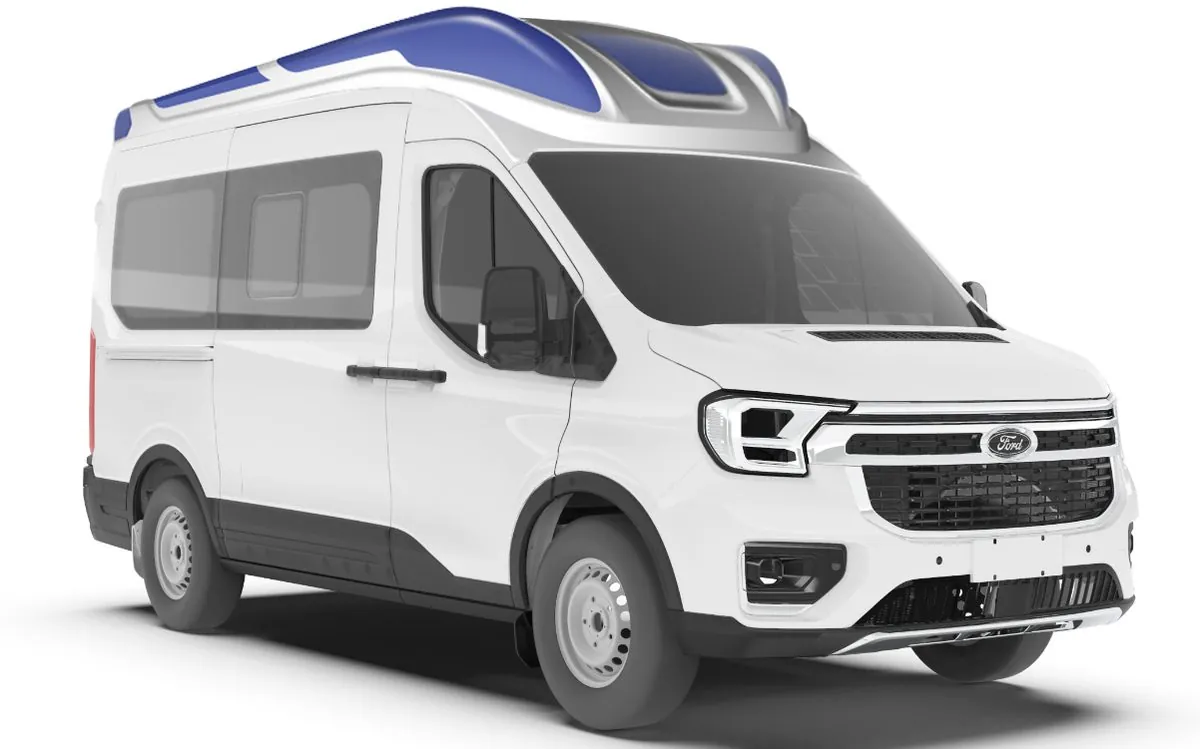
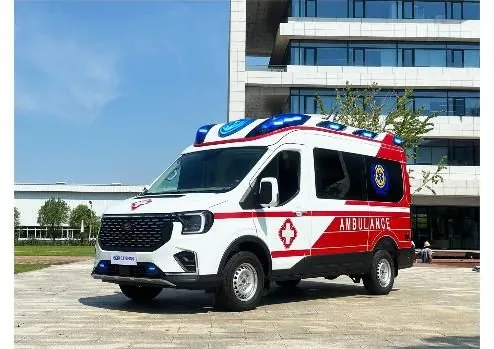
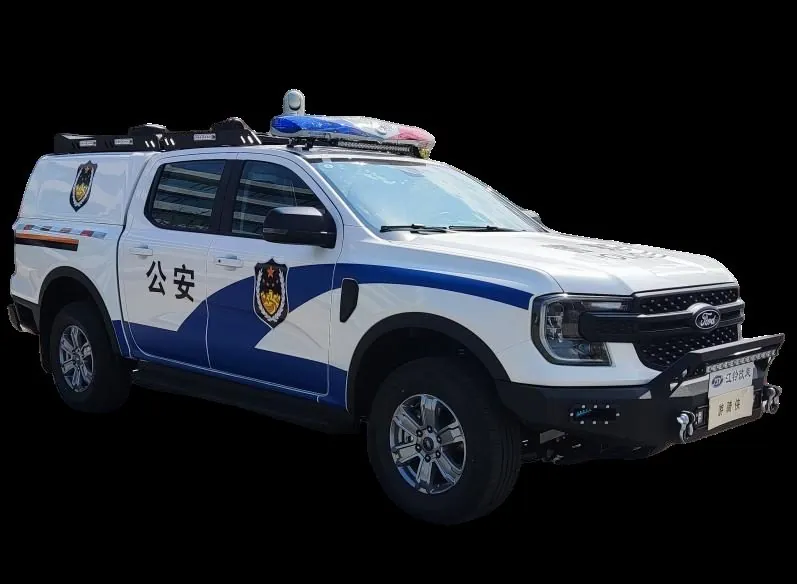
A service truck for city departments and utilities: organised tool storage, cable reel carriers, cone and barrier stowage, and a work platform where the job needs one. Built on a light-truck chassis so it carries a real payload rather than using up a pickup's capacity on the body alone.
| Base chassis | Light-truck chassis, diesel, 4x2 or 4x4 |
|---|---|
| Body | Service body with lockable compartments, shelving and a roof rack |
| Equipment | Cable reels, cones, barriers, tools, signage |
| Access | Rear step and side doors; optional work platform or small crane |
| Power | Inverter or generator with exterior outlets |
| Delivery | Complete vehicle, fitted to the department's equipment list |
Municipal service fleets live with a contradiction: they need a vehicle big enough to carry the equipment and small enough to park on the street where the work is. A light-truck service body resolves it better than a van or a pickup, because the payload is designed for the body rather than the body eating the payload.
The layout is department-specific. A power crew needs cable reels and live-work tools; a road crew needs cones, barriers and signage; a water crew needs fittings and a pump. We start from the inventory list and lay out compartments around it, rather than starting from a catalogue body and asking the crew to fit around it.
Durability is the specification that never appears in a brochure. Compartment doors that still close after three years, drawer slides that do not seize, and a body mounting that survives a city's potholes are what separate a service truck that lasts from one that is back at the workshop every quarter.
Each configuration is a starting point — equipment, layout and finish are set per order.
Cable reel carriers, tool drawers and an inverter for live-work equipment.
Cone and barrier stowage, signage, and a work platform with fall protection.
Fitting bins, a small pump and hose stowage for network repairs.
Tool and equipment stowage with a water tank option for irrigation work.
The same platform carries different fit-outs depending on who operates it.
Street lighting, signage and small civil repairs across a city.
Cable and meter work where the crew needs reels and tools at the kerb.
Network repairs with fittings, pumps and hose on board.
Yes, with a certified platform and fall protection. The platform adds height and changes the centre of gravity, so it is specified as part of the body rather than added later.
Yes. It is worth specifying where crews work on verges and unpaved service roads, but it reduces payload slightly.
A small crane can be specified for lifting fittings and covers. The body and subframe are reinforced at the mounting points.
Straight answers from our engineering and export teams.
Chassis selection is driven by payload, wheelbase, drive configuration and local service support, not by brand…
TechnicalCan vehicles be supplied in knock-down form for local assembly?Partially. A full CKD programme for a converted vehicle is rarely practical, because the value is in the fitting…
TechnicalCan you build a vehicle to our own specification rather than a catalogue model?Yes. Every unit is built to order, and a fully custom specification is a normal project rather than an exception. The…
Send the department's equipment inventory and the work type. We will lay out the body around it.