AUTOSMODS builds fire and rescue vehicles to order: 4x4 pickup equipment trucks with wading kits and underbody protection, light and heavy water tankers with pump, monitor and compartment layouts, and compact rescue-and-salvage vehicles for township stations. The plant passed China's fire-truck manufacturer qualification review in 2016 and builds on JMC light-truck, heavy-truck and 4x4 pickup chassis. Orders start from one unit.
| Vehicle types | 4x4 pickup equipment truck, light water tanker, heavy water tanker, compact rescue & salvage |
|---|---|
| Chassis | JMC light truck; heavy truck; 4x4 heavy-duty pickup |
| Qualification | Passed China's fire-truck manufacturer qualification review (2016) |
| Off-road kit | Wading kit and upgraded underbody protection on the pickup variant |
| Body | Pump, monitor and compartment layout defined at order stage |
| Quality gate | 21-point factory inspection before delivery |
| Order size | From one unit |
| Price | Quoted per configuration — request a quotation |
| Homologation | Final specification agreed at contract stage per destination market |
Most fire services do not lose time on the motorway. They lose it on the last two kilometres — an unpaved lane, a flooded underpass, a market street with a five-metre turning circle. A 4x4 pickup-based equipment truck with a wading kit will reach those calls; a conventional pumper will not. That is the gap this product line exists to fill.
The tanker range covers the opposite case: a known water source far from the fire, where the constraint is how much water arrives per trip and how fast it can be discharged. Light tankers on JMC truck chassis suit municipal and small industrial brigades; heavy tankers on a heavy-truck chassis suit industrial estates, airports and long-distance water shuttle work. Both are built with pump, monitor and compartment layouts sized at order stage rather than fixed at the factory.
Each configuration is a starting point — equipment, layout and finish are set per order.
A heavy-duty 4x4 pickup carrying rescue modules rather than water — the first vehicle on scene, able to cross ground a pumper cannot reach.
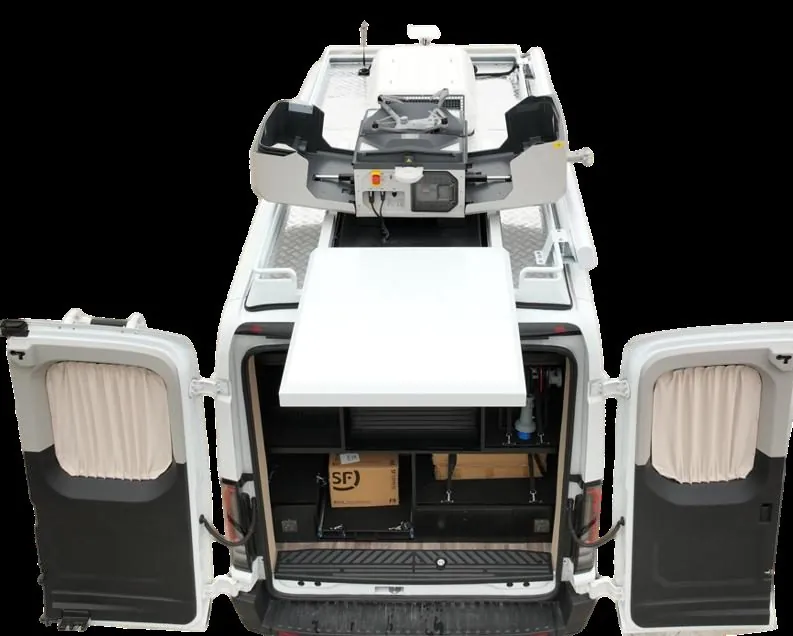
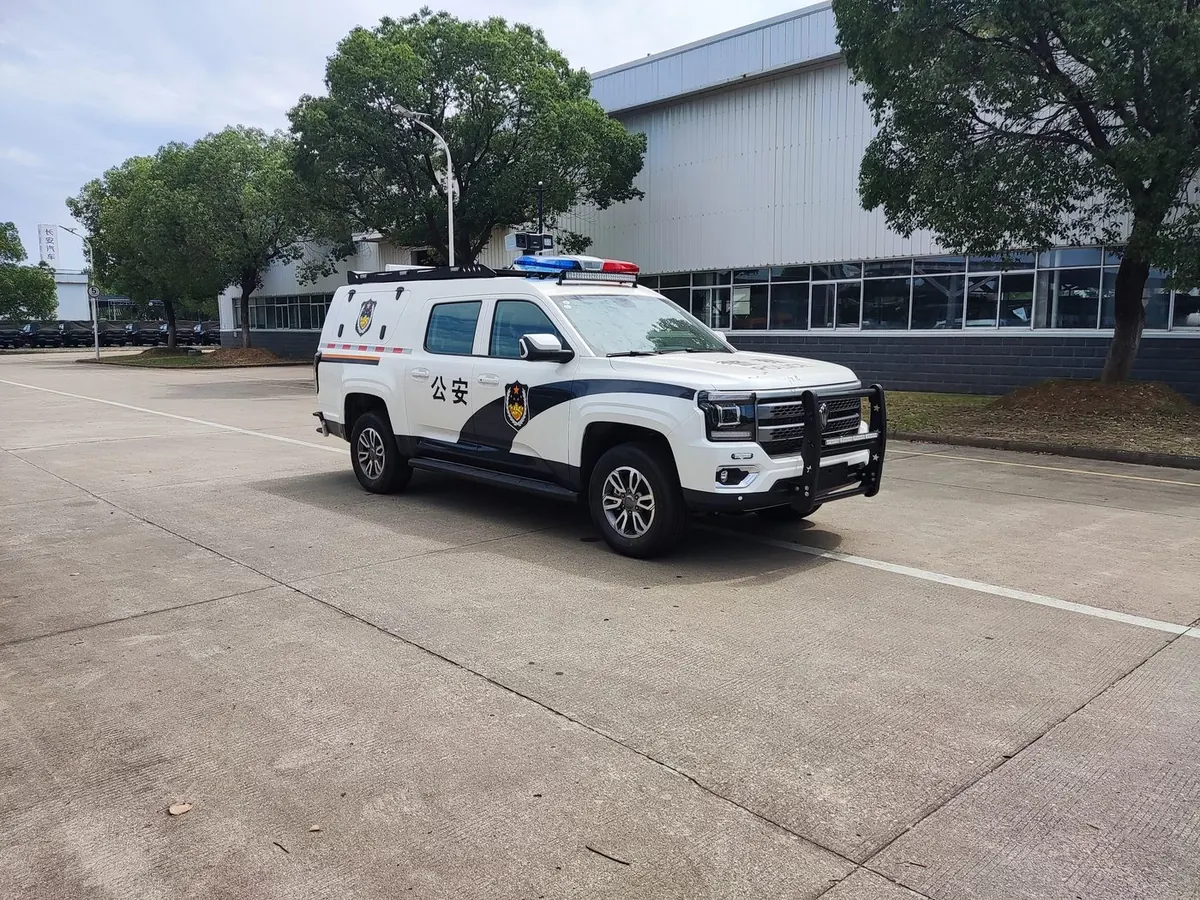
Warning, lighting, power distribution, communication and equipment storage integrated on a pickup base, for township stations and first response where a full-size truck is overkill.
A JMC light-truck tanker with pump, monitor and standard compartments — the working unit for municipal and small industrial brigades.
High-capacity tanker on a heavy-truck chassis for industrial estates, airports and long-distance water shuttle operations.
The same chassis carries different bodies depending on who operates it and what the duty cycle looks like.
Standard tanker and equipment vehicles where the road network is paved and water sources are mapped.
High-capacity water shuttle and long-duration supply where a fixed hydrant system cannot be relied on.
Compact, affordable first-response vehicles for stations that cannot justify a full-size pumper.
4x4 platforms with wading kits and underbody protection for terrain a standard chassis cannot cross.
A selection from this line. Every unit is re-engineered to your specification.
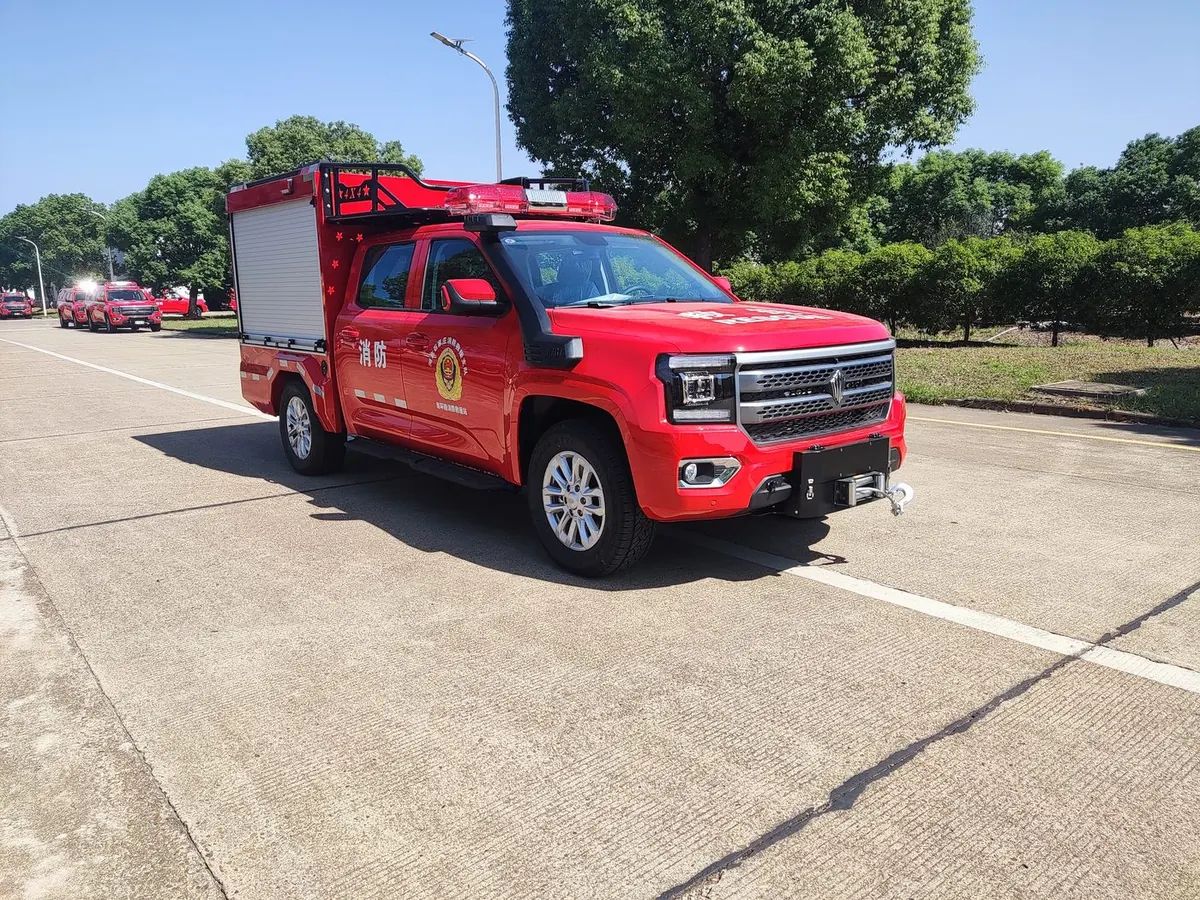
Heavy-duty 4x4 pickup chassis with wading kit and underbody protection — reaches urban, rural and off-road incidents where trucks cannot.
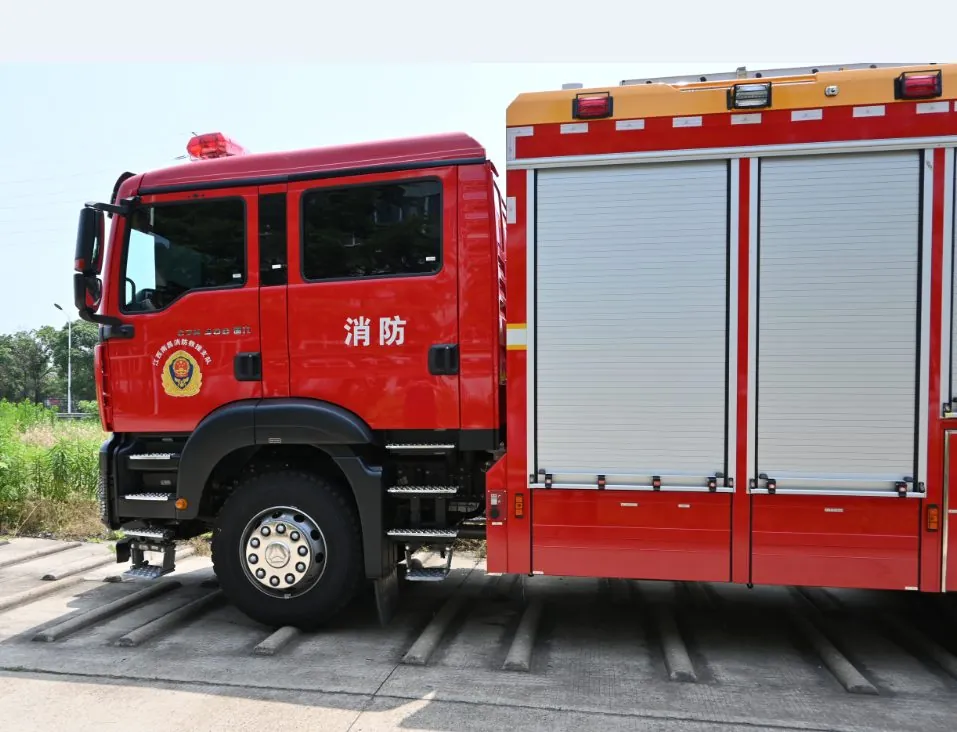
JMC light-truck water tanker with pump, monitor and standard compartments for municipal and industrial fire brigades.
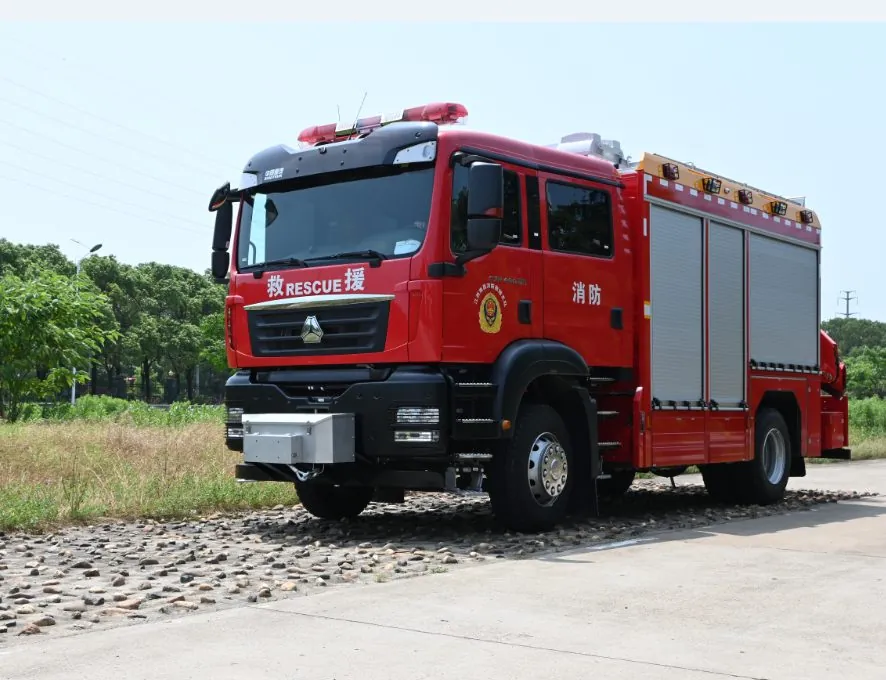
High-capacity tanker on a heavy-truck chassis for industrial estates, airports and long-distance water shuttle operations.
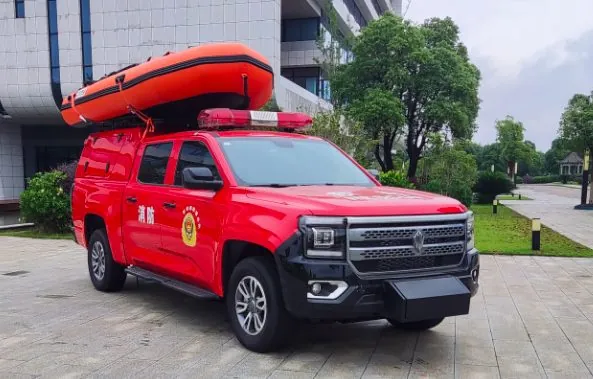
Warning, lighting, power distribution, communication and equipment storage integrated on a pickup base — for township fire stations and first response.
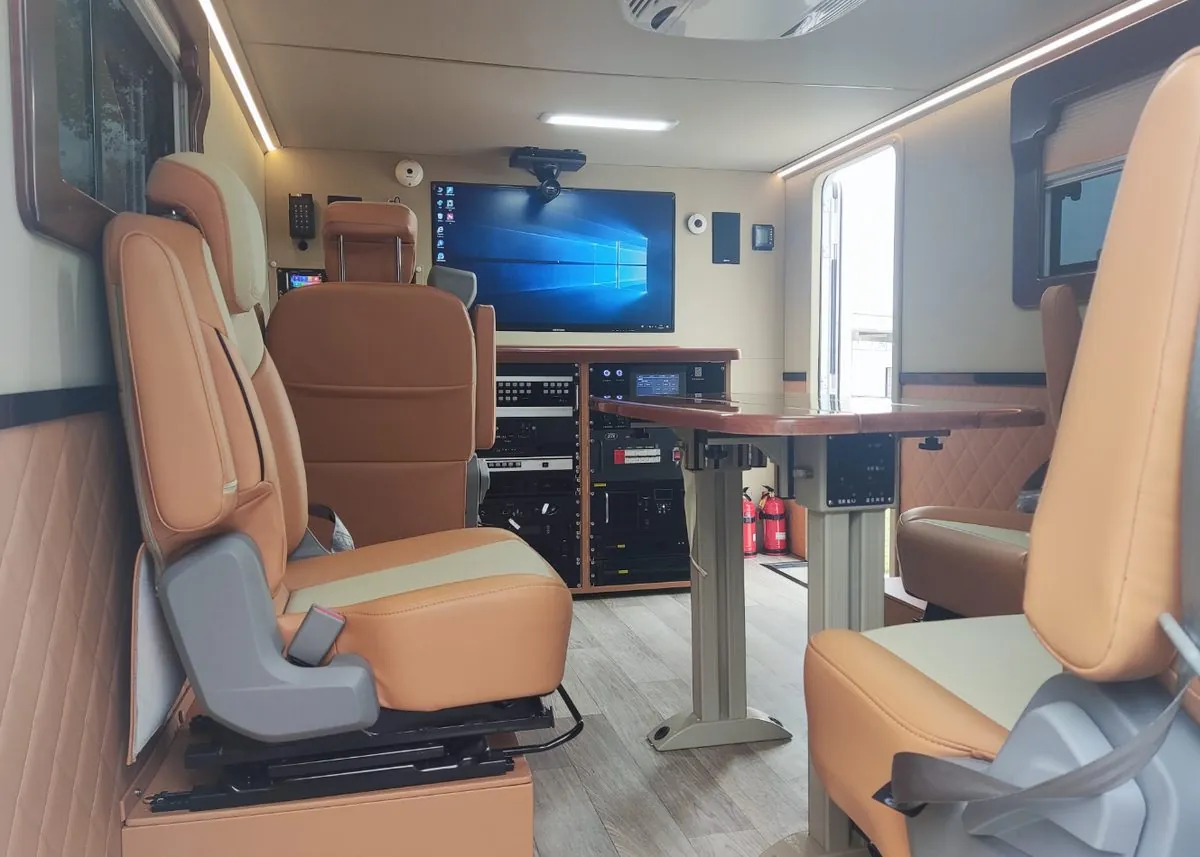
Mission profile, destination market and equipment list
Layout drawings and a fixed specification
Base vehicle sourced to the agreed configuration
Welding, paint and assembly at 195 custom stations
21-point factory check before release
Export documentation and loading
The plant passed China's fire-truck manufacturer qualification review in 2016, and fire vehicles are part of its MIIT manufacturer announcement. Copies of the relevant documents are provided at contract stage.
An equipment truck carries rescue modules, tools and crew to the scene; a tanker carries water. Many brigades order both — the equipment truck arrives first, the tanker supplies the water.
Yes. Pump capacity, monitor type, hose layout and compartment arrangement are defined at order stage against your operating requirement, rather than fixed to one factory configuration.
Capacity is set by the chassis and the body layout you choose. Tell us the water volume per trip your duty profile needs and we will confirm which chassis can carry it.
One unit. Small stations often start with a single compact rescue vehicle before standardising the fleet.
Fire-vehicle cost depends on chassis, tank capacity, pump and equipment. Those are chosen per order, so we price against a defined specification instead of publishing a number that would not apply to your build.
Straight answers from our engineering and export teams.
A fire truck is built around a pump, a water tank and a hose layout, with the equipment specified to the fire…
GCC & Middle EastWhat fire-truck specifications matter for high-temperature Gulf operation?In sustained heat above 45 degrees Celsius the three failure points are pump overheating, crew-compartment air…
AfricaWhich fire-truck configuration suits African municipal and industrial service?Road quality, water supply and crew size decide the configuration more than budget does. Where hydrants are sparse…
TechnicalWhich chassis options are available for a conversion?Chassis selection is driven by payload, wheelbase, drive configuration and local service support, not by brand…
Shipping & after-salesHow are spare parts supplied after delivery?Two categories are handled differently. Chassis parts come through the chassis manufacturer's local dealer network…
Terrain, water source distance, crew size and the incidents you respond to most — we will propose the chassis and body that fit.