Fire line · Water supply

Water Tanker Fire Truck

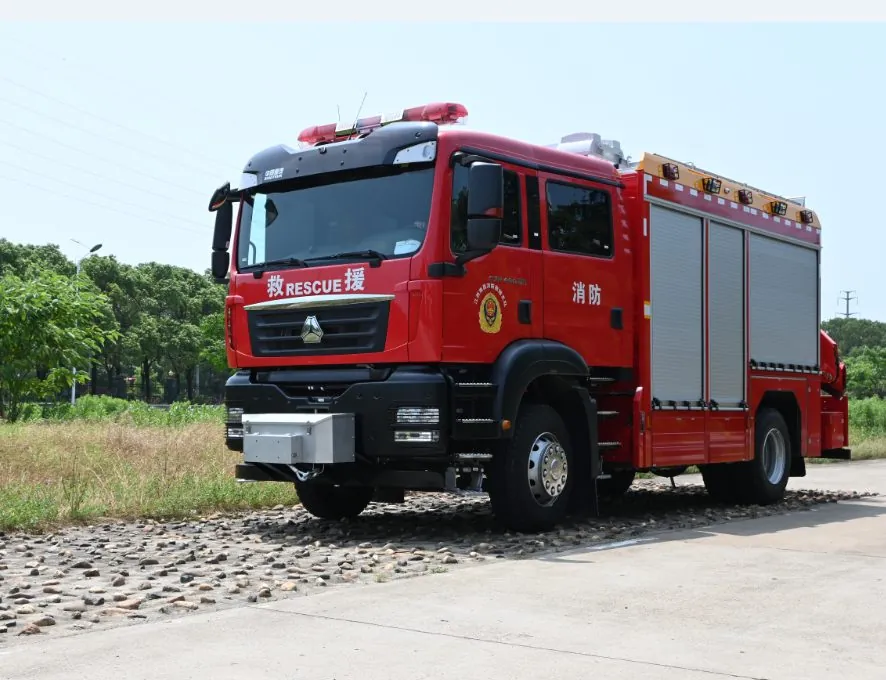
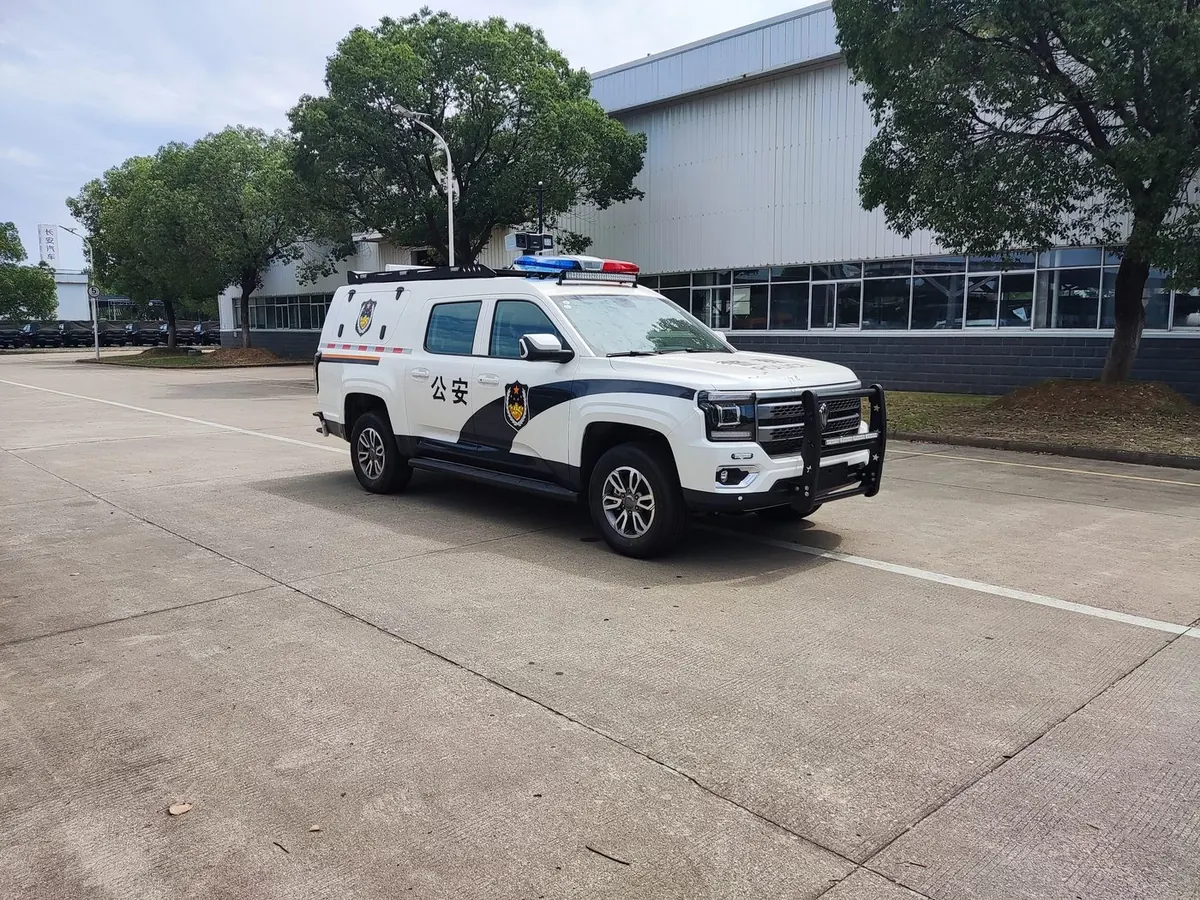
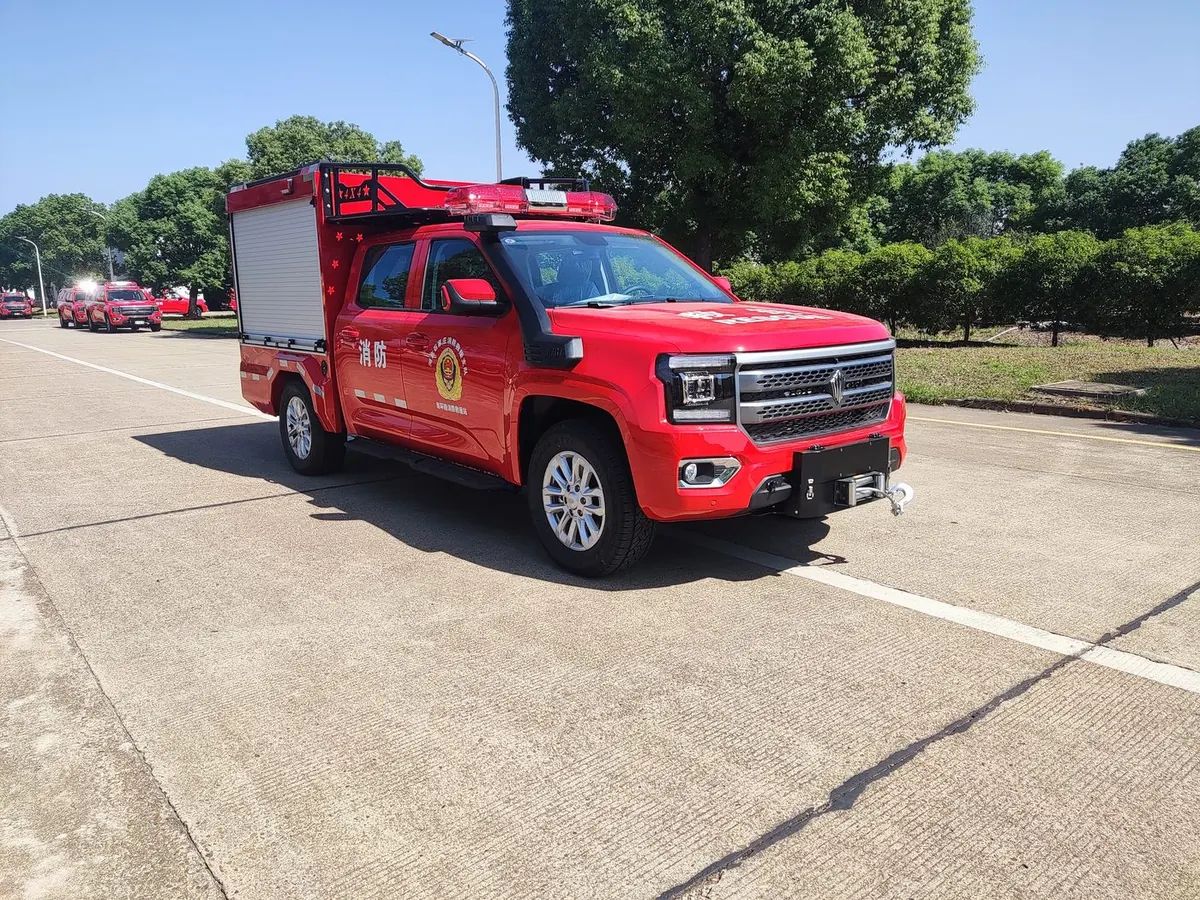
A water tanker fire truck on a light-truck chassis, with pump, roof monitor and organised equipment compartments. It is the vehicle that supplies water where hydrants do not exist — rural districts, industrial estates, construction sites and settlements outside the mains network.

Key facts

Base chassisJMC light-truck chassis, diesel
BodyTank body with pump compartment and equipment lockers
PumpRear or mid-mounted fire pump, capacity specified to requirement
MonitorRoof-mounted monitor with cabin or top controls
CompartmentsHose, branches, suction hose and hand tools in lockable lockers
DeliveryComplete vehicle with pump test documentation

In a district without hydrants, the water tanker is the water supply. That makes two numbers matter more than anything else: how much it carries, and how fast it can refill. Both are constrained by the chassis, so the honest engineering conversation is about the payload limit, not about the biggest tank that will fit.

The body is built around the pump and the lockers rather than around the tank alone. Suction hose needs a locker it can drain in, the pump needs access for priming and maintenance, and the monitor needs a roof position that does not obstruct the operator. Getting these wrong is how a tanker becomes a vehicle that carries water but cannot deliver it efficiently.

For brigades covering a wide rural area, the refill cycle is the specification that matters. We will calculate it with you from the distance to the nearest source and the pump rate, rather than leaving you to discover it on the first fire.

Configurations

Each configuration is a starting point — equipment, layout and finish are set per order.

01Municipal tanker

Standard tank, pump and roof monitor for district brigades.

02Industrial tanker

Heavier specification for estates and ports, with foam proportioning option.

03Water shuttle

Configured for fast fill and dump cycles with large-bore connections.

04Foam-capable

Foam tank and proportioner added for hydrocarbon fires.

Where it is used

The same platform carries different fit-outs depending on who operates it.

Rural district brigades

Areas beyond the hydrant network where every litre has to be carried in.

Industrial estates and ports

On-site water supply for warehouses, tank farms and vehicle fires.

Construction sites

Standby water supply during hot works and before mains are connected.

Other models in this line

Every unit is re-engineered to your specification.
Related product lines

Questions buyers ask

What tank capacity is available?

Capacity is set by the chassis payload limit and your requirement. We will state the maximum legal capacity for a given chassis rather than quote a larger tank that cannot be filled.

Can it refill from a river or canal?

Yes, with a suction set and the appropriate pump. The lift height and hose length needed depend on your water sources, which we ask about at specification stage.

Is foam available?

A foam tank and proportioner can be specified for hydrocarbon fires. State the foam type and ratio your brigade uses.

Related questions

Straight answers from our engineering and export teams.

Browse the full knowledge base (42 questions) →

Configure a water tanker

Send the distance to your nearest water source, the required tank capacity and the pump rate you need.

Chat with us