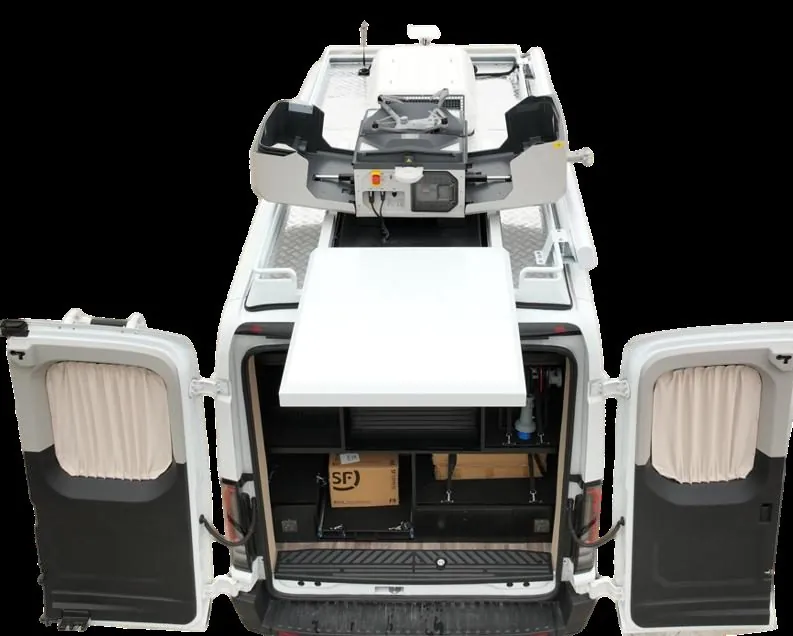
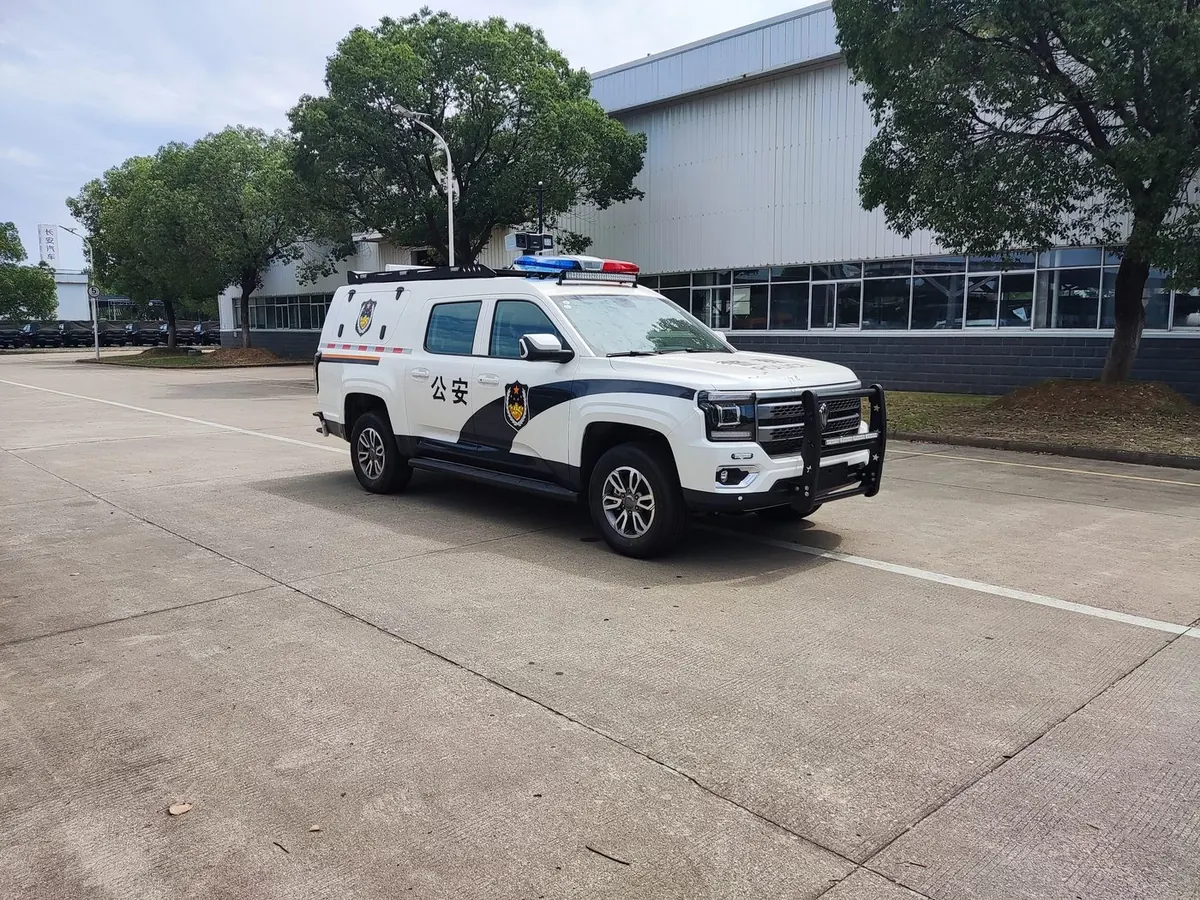
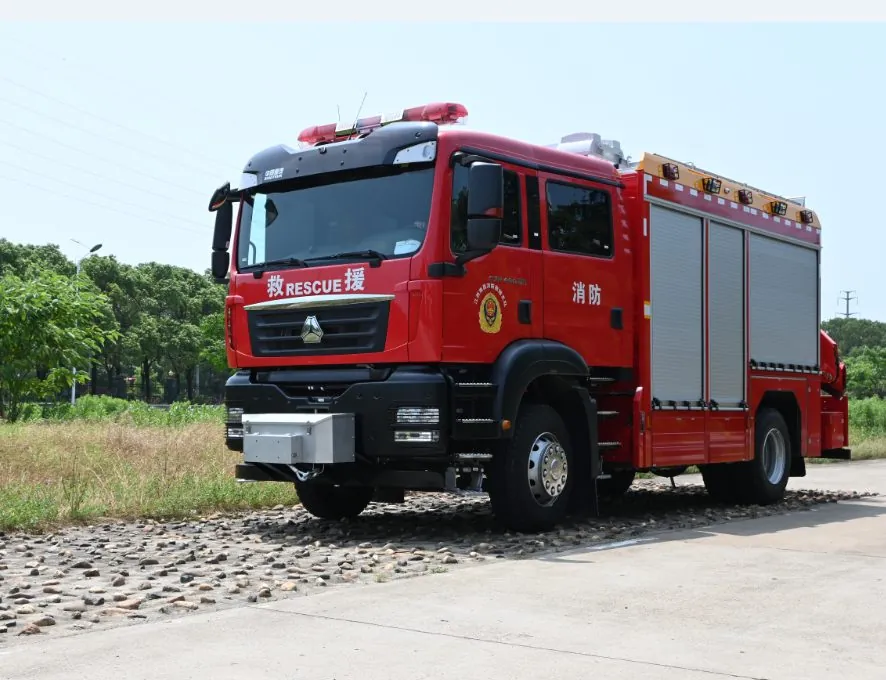
A compact rescue truck for the calls that are not fires: traffic collisions, trapped occupants, storm damage, fallen trees and small technical rescues. Built on a pickup chassis, it carries hydraulic tools, cribbing, lighting and a generator to scenes a full-size rescue tender cannot reach quickly.
| Base chassis | Pickup or light-truck chassis, 4x4 available |
|---|---|
| Body | Equipment body with roller-shutter compartments and roof rack |
| Power | On-board generator and scene lighting mast |
| Rescue equipment | Hydraulic pump, spreader, cutter, rams and cribbing stowage |
| Warning | Light bar, siren and rear chevron marking |
| Delivery | Complete vehicle, fitted to your equipment list |
Most rescue calls in a township are small: one car off the road, a tree across a lane, a worker trapped in machinery. Sending a full rescue tender is expensive and slow, and in a narrow lane it may not arrive at all. A compact rescue vehicle answers the majority of those calls in a fraction of the time and leaves the heavy appliance available for the calls that need it.
The layout follows the tool, not the other way round. The hydraulic pump sits where an operator can reach the controls while watching the tool, the cribbing is in a compartment that opens fully so it can be thrown out in one movement, and the lighting mast is positioned so it does not blind the operator working under the vehicle.
Power is the quiet specification. A generator that cannot start at minus five degrees, or a lighting mast that draws more than the system supplies, turns a rescue vehicle into a parked truck. We size the electrical system for continuous duty, not for the demonstration.
Each configuration is a starting point — equipment, layout and finish are set per order.
Hydraulic tools, cribbing, lighting and stabilization for vehicle extrication.
Adds rope, rigging, cutting and lifting equipment for structural and machinery incidents.
Chainsaws, tarpaulins and a salvage pump for wind and water damage response.
Combined layout for stations where one vehicle covers rescue and small fire calls.
The same platform carries different fit-outs depending on who operates it.
Low call volume, wide area, and a need for one vehicle to cover several call types.
Incident response on roads where a large tender blocks a lane for too long.
On-site rescue capability for machinery and confined-space incidents.
Every unit is re-engineered to your specification.
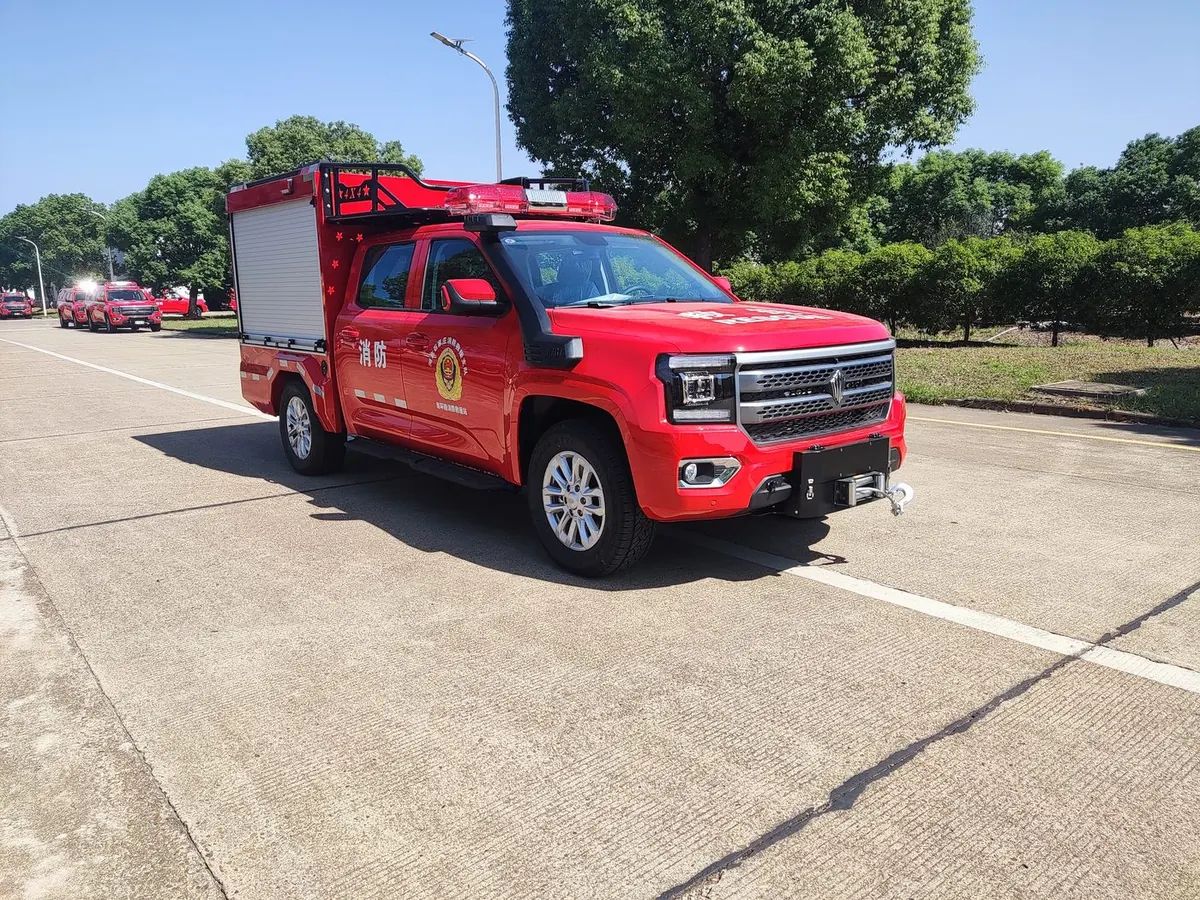
Heavy-duty 4x4 pickup chassis with wading kit and underbody protection — reaches urban, rural and off-road incidents where trucks cannot.
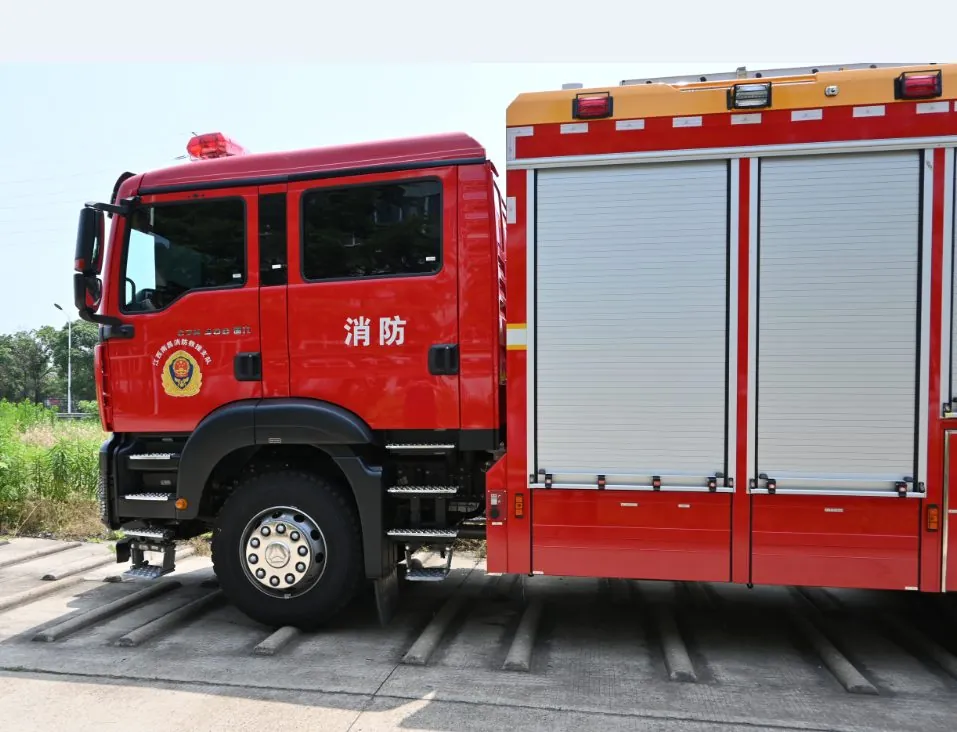
JMC light-truck water tanker with pump, monitor and standard compartments for municipal and industrial fire brigades.
High-capacity tanker on a heavy-truck chassis for industrial estates, airports and long-distance water shuttle operations.
Yes, with the multi-role layout: a small water tank and pump can be added, though it reduces equipment space. Decide which call type dominates and specify around it.
The vehicle is built around the tools you specify. We can supply a complete set or fit the body to tools you already own — send the dimensions and the pump requirement.
From the continuous load of the lighting mast and the tools, with margin for cold starting. We will ask for your lowest ambient temperature at specification stage.
Straight answers from our engineering and export teams.
A fire truck is built around a pump, a water tank and a hose layout, with the equipment specified to the fire…
GCC & Middle EastWhat fire-truck specifications matter for high-temperature Gulf operation?In sustained heat above 45 degrees Celsius the three failure points are pump overheating, crew-compartment air…
AfricaWhich fire-truck configuration suits African municipal and industrial service?Road quality, water supply and crew size decide the configuration more than budget does. Where hydrants are sparse…
Tell us the dominant call type and the equipment you carry. We will propose a body layout and an electrical budget.