Pickup Conversions

Pickup Conversions That Turn a 4x4 Into a Work Tool

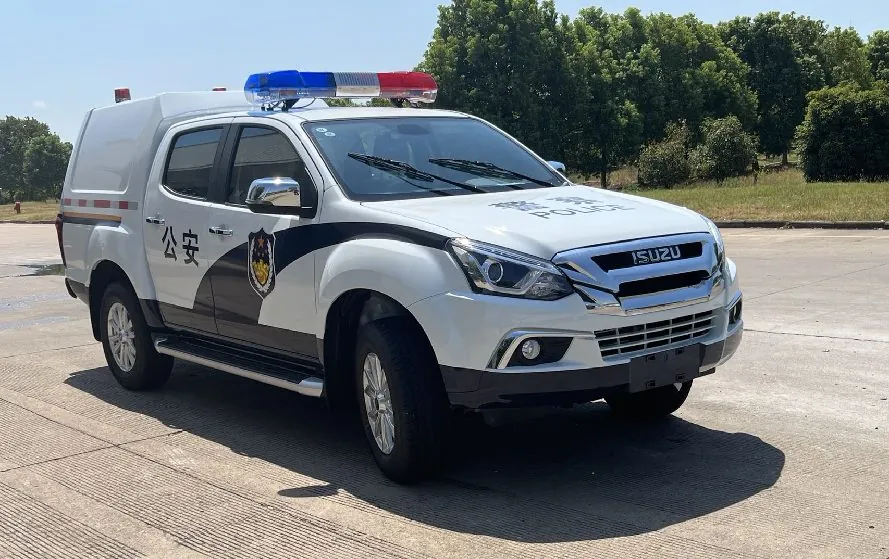
AUTOSMODS converts 4x4 pickups into working vehicles: forensic and traffic-accident survey units on Isuzu D-MAX and Lingtu chassis, integrated-body survey pickups on the JMC Dadao, Ranger patrol vehicles with dynamic evidence capture, 4x4 engineering service trucks, lighting rescue units, high-flow drainage trucks and vehicle-inspection pickups. Split-body and integrated-body layouts are both available, on diesel or all-electric chassis.

28+years building special vehicles
300+vehicle models in production
220national patents, 12 of them inventions
21quality checks before every delivery

Key facts at a glance

Base chassisIsuzu D-MAX; Isuzu Lingtu; JMC Dadao; Ford Ranger; Ruimai EV
Body layoutsSplit-body (removable module) and integrated-body (sealed, welded to cab)
Conversion typesSurvey, patrol, engineering, lighting rescue, high-flow drainage, detection, command
EquipmentEquipment cabinets, survey cases, cones, cable reels, lifting lights, in-car displays
Drivetrain4x4 diesel standard; all-electric option on the Ruimai EV chassis
Quality gate21-point factory inspection before delivery
Order sizeFrom one unit
PriceQuoted per configuration — request a quotation

A pickup is chosen for three reasons: it goes where a van cannot, it carries a payload without a specialist licence, and it can be replaced cheaply when it wears out. A conversion has to preserve all three. Bolt a heavy box onto the bed without thinking about the frame, and you lose the payload; wire equipment into the OEM loom, and you lose the warranty.

The choice that matters most is split-body versus integrated-body. A split body keeps the original cargo bed and drops an equipment module onto it — cheaper, removable, and the vehicle can return to general duty. An integrated body replaces the bed with a sealed structure welded to the cab, which gives secure storage, a professional appearance and better weight distribution, at the cost of flexibility. We build both, and we will tell you which one your duty profile actually needs.

Configurations

Each configuration is a starting point — equipment, layout and finish are set per order.

01Split-body survey pickup

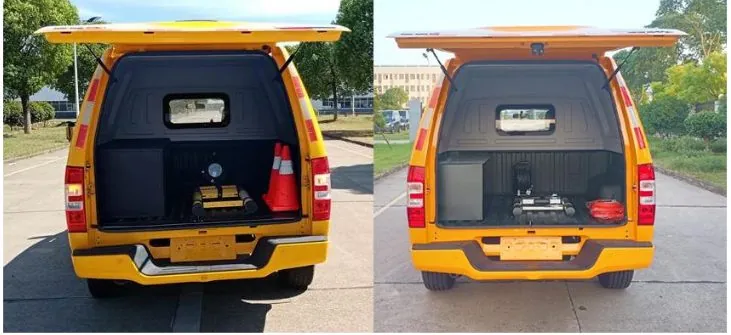
An Isuzu D-MAX or Lingtu with equipment cabinets, survey case, reflective cones and cable reel — the standard forensic and traffic-accident configuration.

02Integrated-body survey pickup

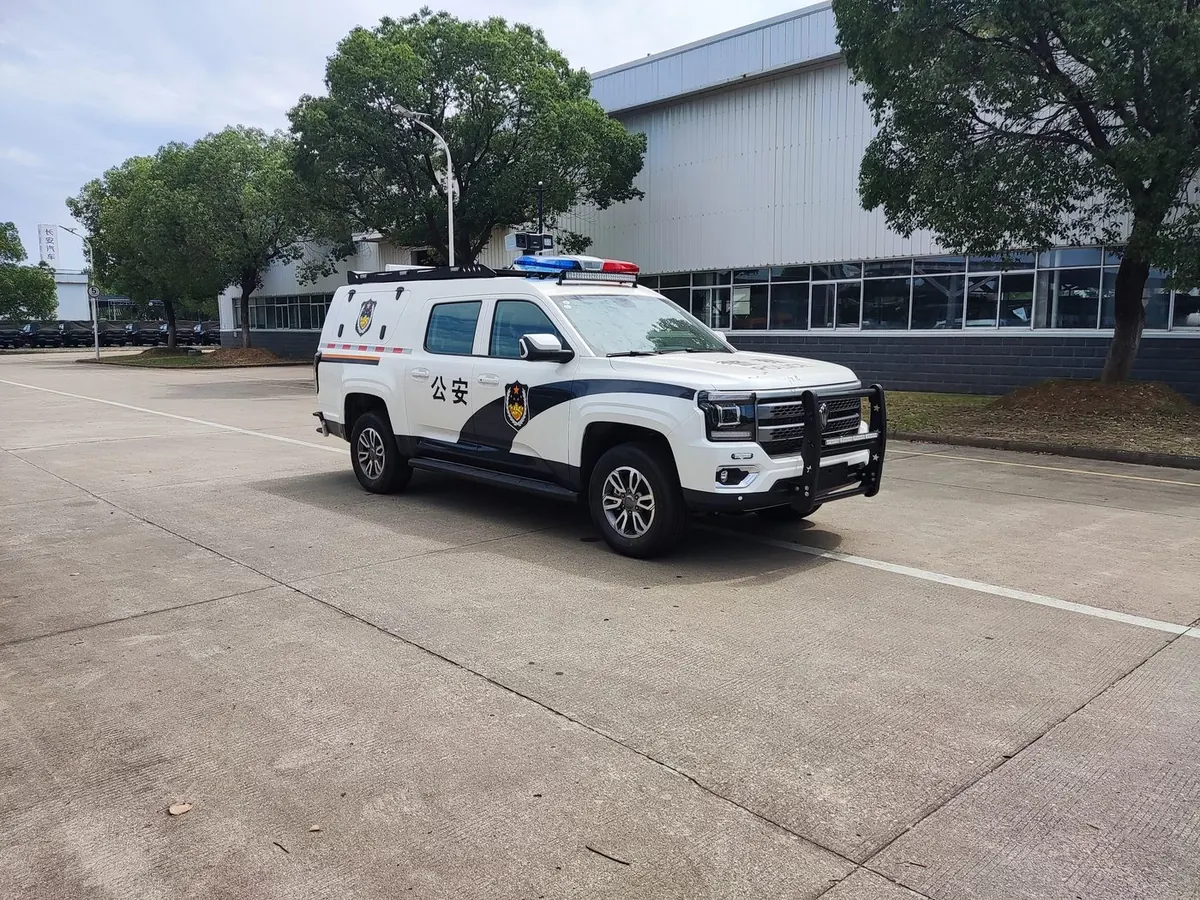
A JMC Dadao whose bed is rebuilt into a sealed, integrated body: secure equipment storage, a clean professional appearance and better load distribution.

03Patrol pickup

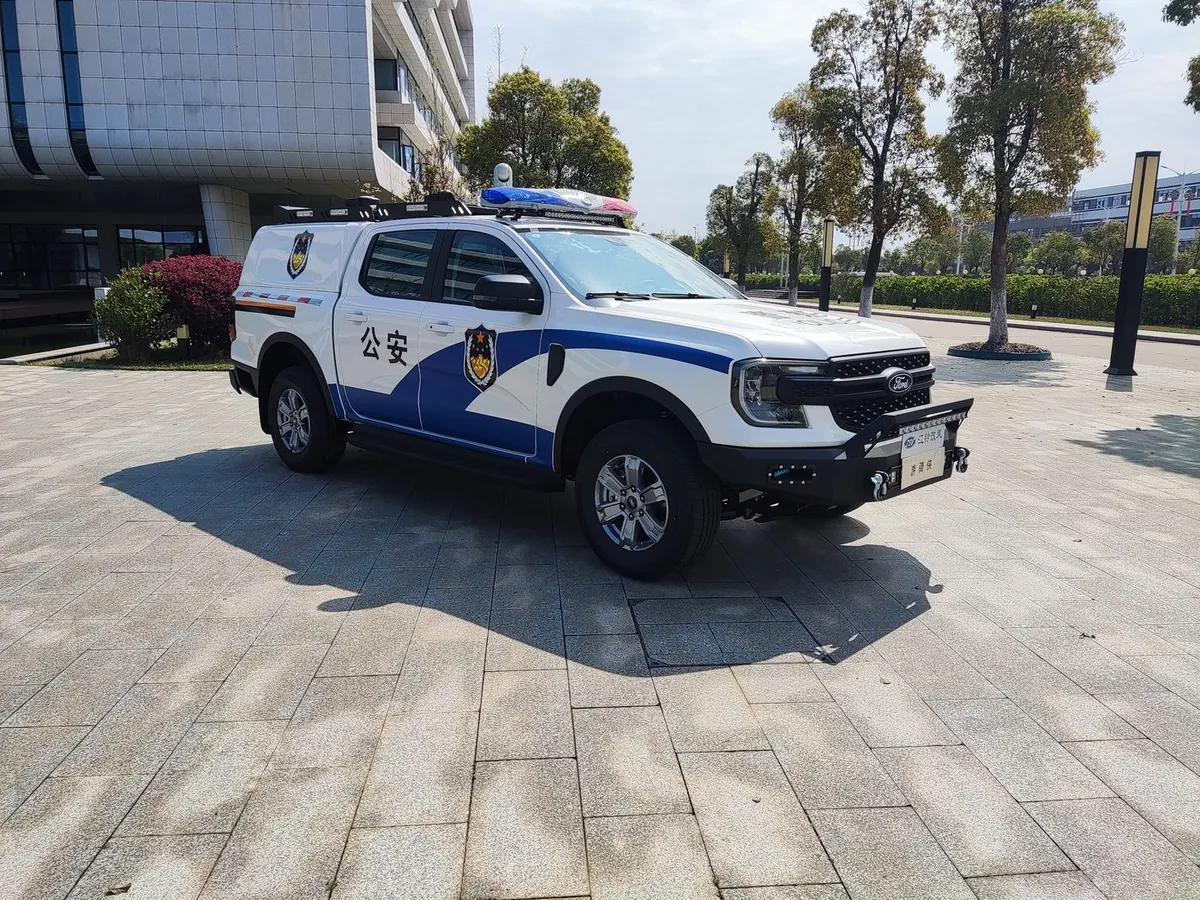
A Ford Ranger with dynamic evidence capture, high-intensity warning and lighting systems and integrated control, for highway and urban enforcement.

04Engineering and drainage pickup

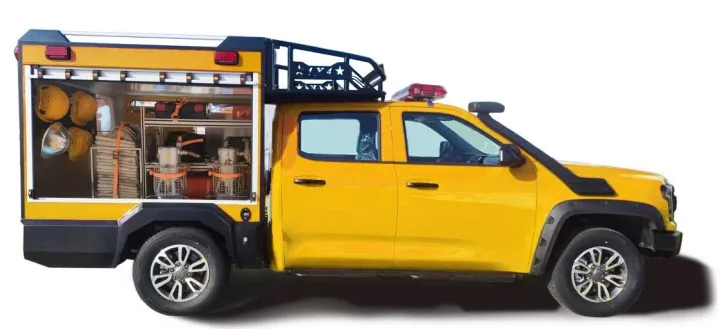
4x4 engineering trucks with cabinets, reels, cones and ladders, plus high-flow drainage units for flood response, mine dewatering and emergency pumping.

Where it is used

The same chassis carries different bodies depending on who operates it and what the duty cycle looks like.

Traffic police

Accident-scene investigation and enforcement, where the vehicle must carry survey kit and still park on a live carriageway.

Public security and highway patrol

Patrol and evidence capture along routes a van cannot follow, including unpaved and seasonal roads.

Power and municipal engineering

Transport, loading and maintenance of equipment in the field, with the tools organised so a crew can work from the vehicle.

Flood and emergency drainage

High-flow pumping for urban flooding, mine dewatering and temporary water transfer during emergencies.

Representative models

A selection from this line. Every unit is re-engineered to your specification.
How a build runs

  1. Requirement

    Mission profile, destination market and equipment list

  2. Design

    Layout drawings and a fixed specification

  3. Chassis

    Base vehicle sourced to the agreed configuration

  4. Body build

    Welding, paint and assembly at 195 custom stations

  5. Inspection

    21-point factory check before release

  6. Shipment

    Export documentation and loading

Questions buyers ask

Why convert a pickup instead of buying a van?

A pickup gives you ground clearance, a low-range gearbox and a payload that a van of the same price cannot match. It is the right base when the route is the problem, not the cargo volume.

Should I choose split-body or integrated-body?

Split-body if the vehicle may return to general duty or you want to move the module between vehicles. Integrated-body if you need secure, weather-tight storage and a professional appearance for public-facing work.

Can the conversion be electric?

Yes. The Ruimai EV chassis is available with equipment cabinets, cable reels, cones and ladders for power, municipal and highway engineering work.

Can the equipment layout be changed later?

Within limits. Modules are built around a defined equipment list, but cabinets and mounting points can be rearranged on a later order. Tell us what you plan to add and we will leave provision for it.

What is the minimum order quantity?

One unit. Municipal and utility buyers often start with one vehicle to trial the layout, then repeat the same build.

Why is there no price on this page?

Two pickups with the same chassis can differ by a factor in cost depending on the body and equipment. We price against your equipment list rather than an average.

Other product lines

Related questions

Straight answers from our engineering and export teams.

Browse the full knowledge base (42 questions) →

Send us the equipment list

What the crew carries, where the vehicle has to park, and whether it must return to general duty — that decides split or integrated body.

Chat with us