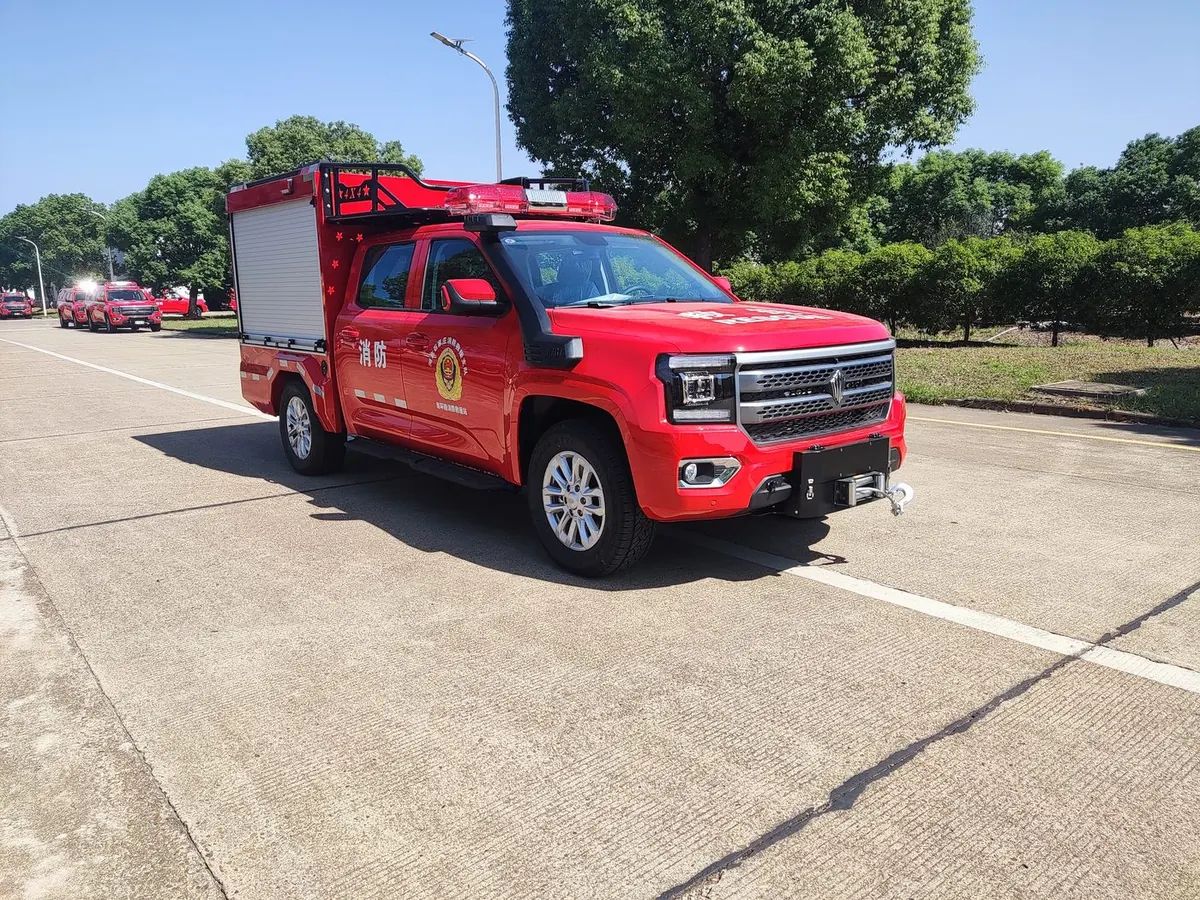
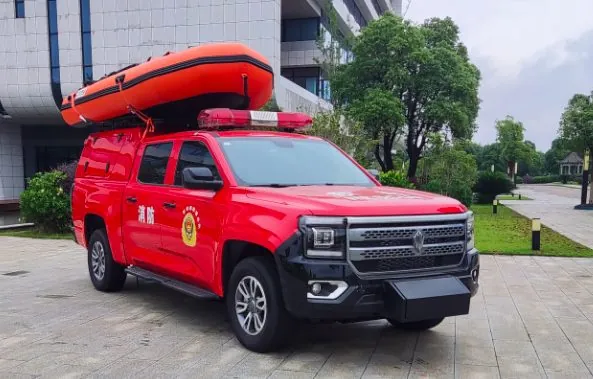
Indore Municipal Corporation is reviewing proposals from four to five companies to modernise its fire brigade, and is fast-tracking the purchase of a firefighting vehicle that can reach 70 metres. Officials also saw remote-controlled robotic fire machines built for congested lanes and slums, where conventional trucks cannot enter.
The Indore Municipal Corporation (IMC) is reviewing proposals from four to five companies offering fire safety equipment, and intends to finalise one supplier based on the city's specific requirements. On Monday, Mayor Pushyamitra Bhargav attended a live demonstration of robotic firefighting machines and other equipment, with AI-driven and remotely operated tools presented for reaching narrow streets and difficult terrain. Bhargav said the city has been working for over a year to strengthen its fire department as Indore expands.
The centrepiece of the plan is a firefighting vehicle able to reach heights of up to 70 metres, intended for fires in tall buildings. That unit is described as being under fast-track acquisition. The mayor also pointed to AI-integrated fire detection systems, which the corporation says can identify an outbreak and trigger a response without delay.
Separately, officials were shown a robotic fire machine operated by mobile phone or remote control, designed for congested slums and narrow lanes that conventional fire trucks cannot easily enter. Officials argued this class of equipment could cut damage and response time in exactly those zones. "Today, India is capable of producing global-standard firefighting technology," Bhargav said, noting that a similar presentation had been made earlier to the Madhya Pradesh Cabinet.
IMC is also working on a plan to build modern fire stations across all four corners of the city, creating a network intended to guarantee a prompt response anywhere in Indore. The presentation was attended by whip Kamal Waghela, councilor Mahesh Baswal, additional commissioner Rohit Sisonia and senior fire department officials, who evaluated how the equipment would be deployed.
This is a two-tier fleet problem, and it is showing up in more mid-sized cities: one tier reaches 70 metres for high-rise fires, the other is small and robotic enough to work in lanes a pumper cannot enter. For procurement teams the practical consequence is that a single chassis specification no longer covers the fleet. Height class, lane width, water capacity and remote operation each drive separate acceptance criteria, and the station network has to be planned alongside the vehicles, because a fast unit parked far away buys nothing.
Source: Bhaskar English (Dainik Bhaskar)
This article is an original plain-language summary published by AUTOSMODS. Figures quoted belong to the original report.
Send your requirement list — feasibility answer within one working day.