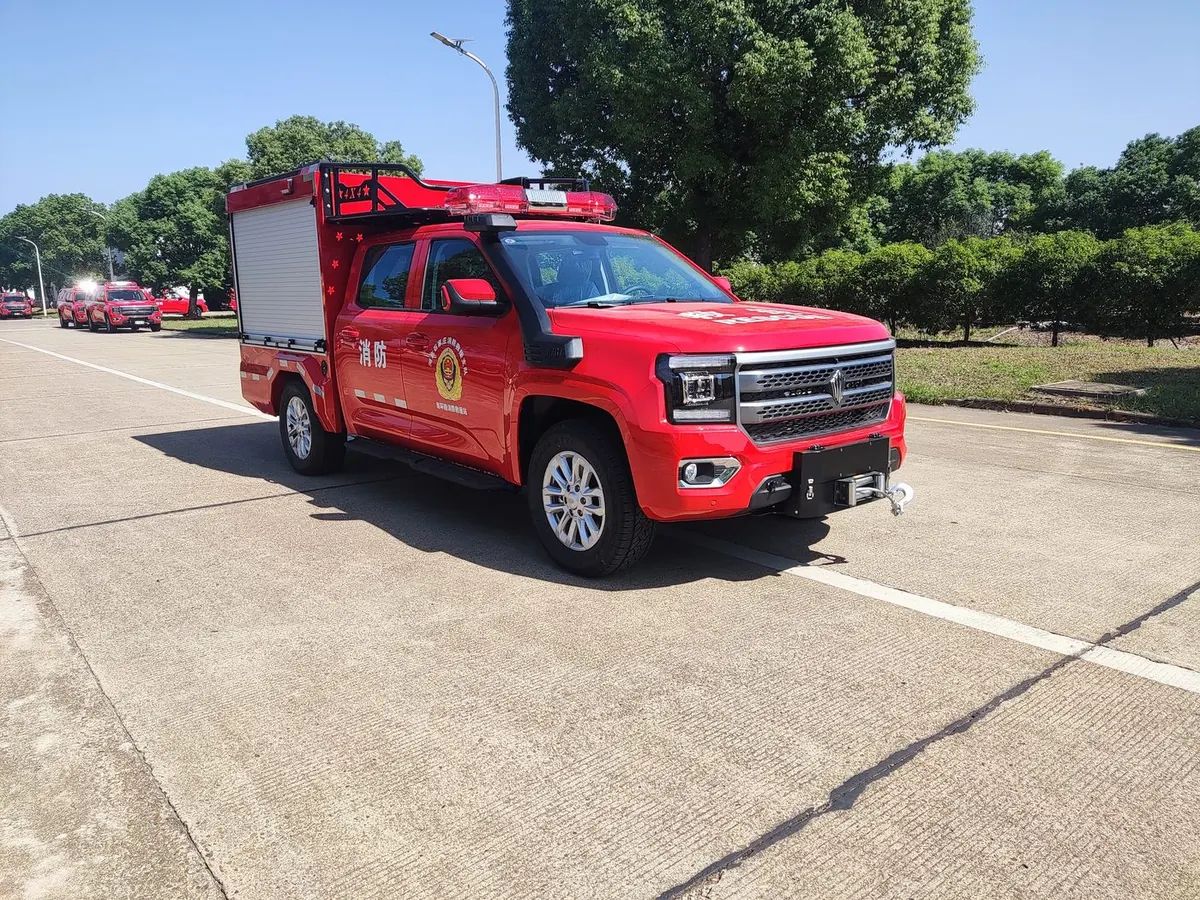
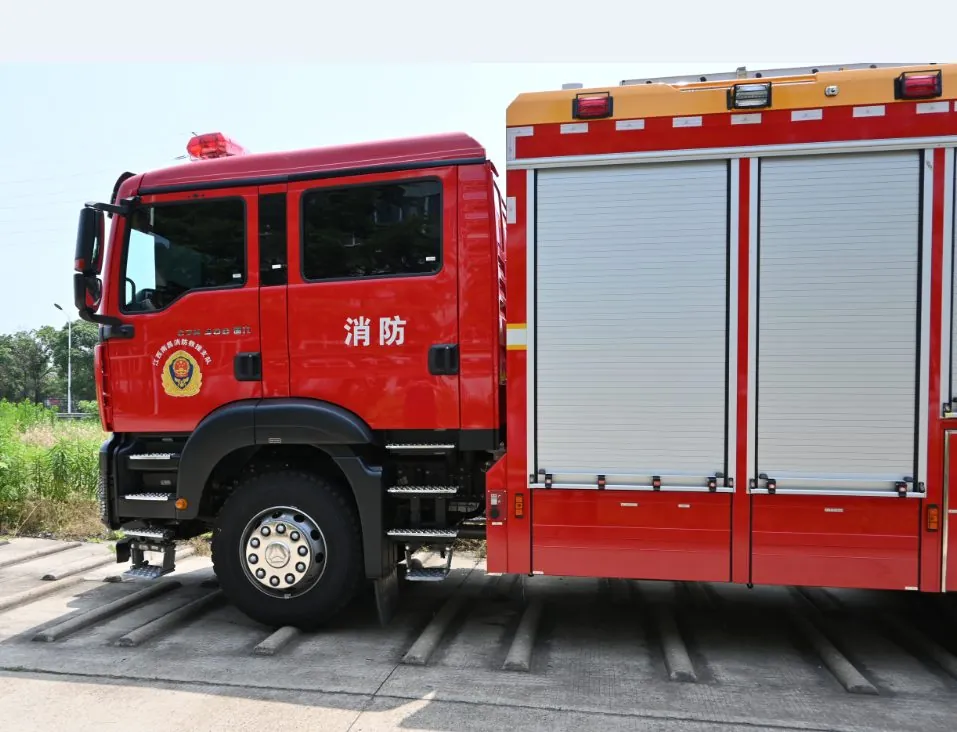
The New South Wales Government has awarded a new contract to manufacturer Varley Group and is spending more than $40 million in 2026-27 on fire trucks for its fire services. Around 60 trucks will be assembled at Tomago, including 40 Rural Fire Service tankers — 25 Category 7 and 15 Category 1 units.
The New South Wales Government is investing more than $40 million in 2026-27 across a range of manufacturers to deliver Fire and Rescue NSW and Rural Fire Service (RFS) trucks, including aerial trucks, support vehicles and tankers. Around 60 of the new fire trucks will be assembled by Tomago-based manufacturer Varley Group. The state's Emergency Services Minister Jihad Dib and other officials visited the Tomago facility to inspect the latest trucks on the assembly line, including new Fire and Rescue vehicles destined for Dungog and East Maitland.
The new RFS work follows an order for 40 trucks: 25 Category 7 tankers and 15 Category 1 tankers, the latter described as among the largest water-carrying fire trucks in the RFS fleet. Varley is also delivering 20 Fire and Rescue vehicles, including pumpers and bushfire tankers. The investment builds on the delivery of more than 200 new appliances and 75 refurbished vehicles to RFS brigades in 2025-26.
One detail in the release stands out for how the trucks are specified: Fire and Rescue NSW says it selects chassis suited to Australian conditions, then works with Varley to design and fit out the fire engines with specialist equipment — and fits each vehicle with its own WiFi so satellite technology keeps crews connected in areas with limited radio coverage. The government says the work supports 530 local jobs in the Hunter region.
This is fleet renewal done as a co-design programme, not a catalogue purchase. The operator picks the chassis for local conditions, the builder engineers the body around real crew workflows, and connectivity is treated as standard equipment rather than an optional extra. For procurement teams, the practical lesson is to specify the communications and equipment fit-out as acceptance criteria from day one, and to spread large orders across model types and fiscal years so capacity and quality stay stable.
Source: NSW Government ministerial release
This article is an original plain-language summary published by AUTOSMODS. Figures quoted belong to the original report.
Send your requirement list — feasibility answer within one working day.